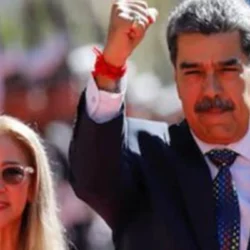



Padrino López: “We have demonstrated capacity, cohesion, and firmness in the face of external threats.”
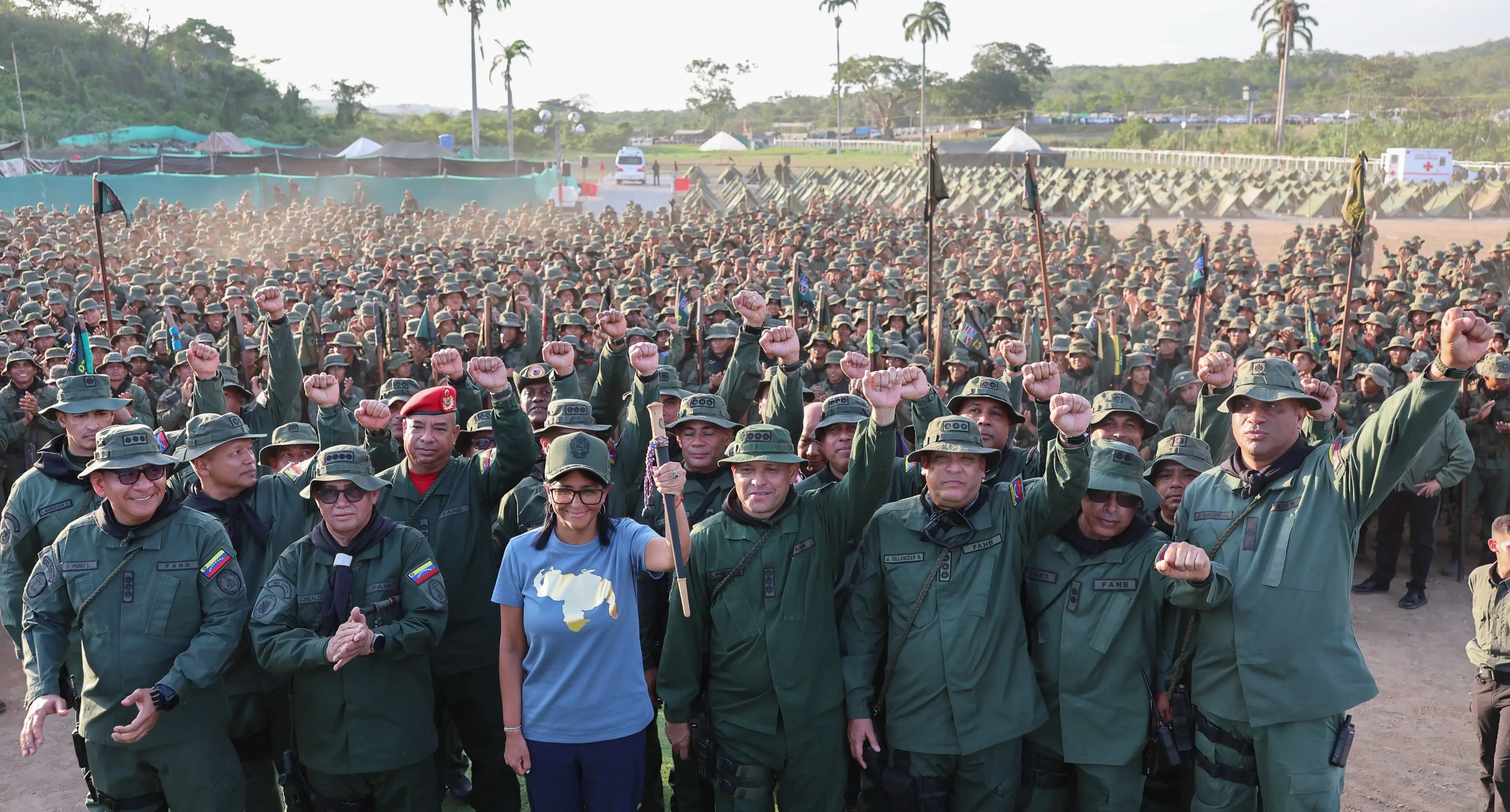
Padrino López stated that the activities were carried out “successfully and without incident,” highlighting the perfect blend of the people, the military, and the police.
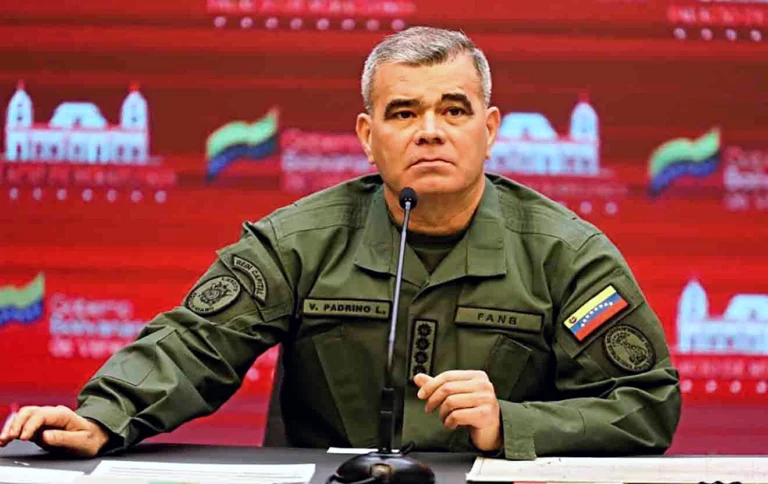
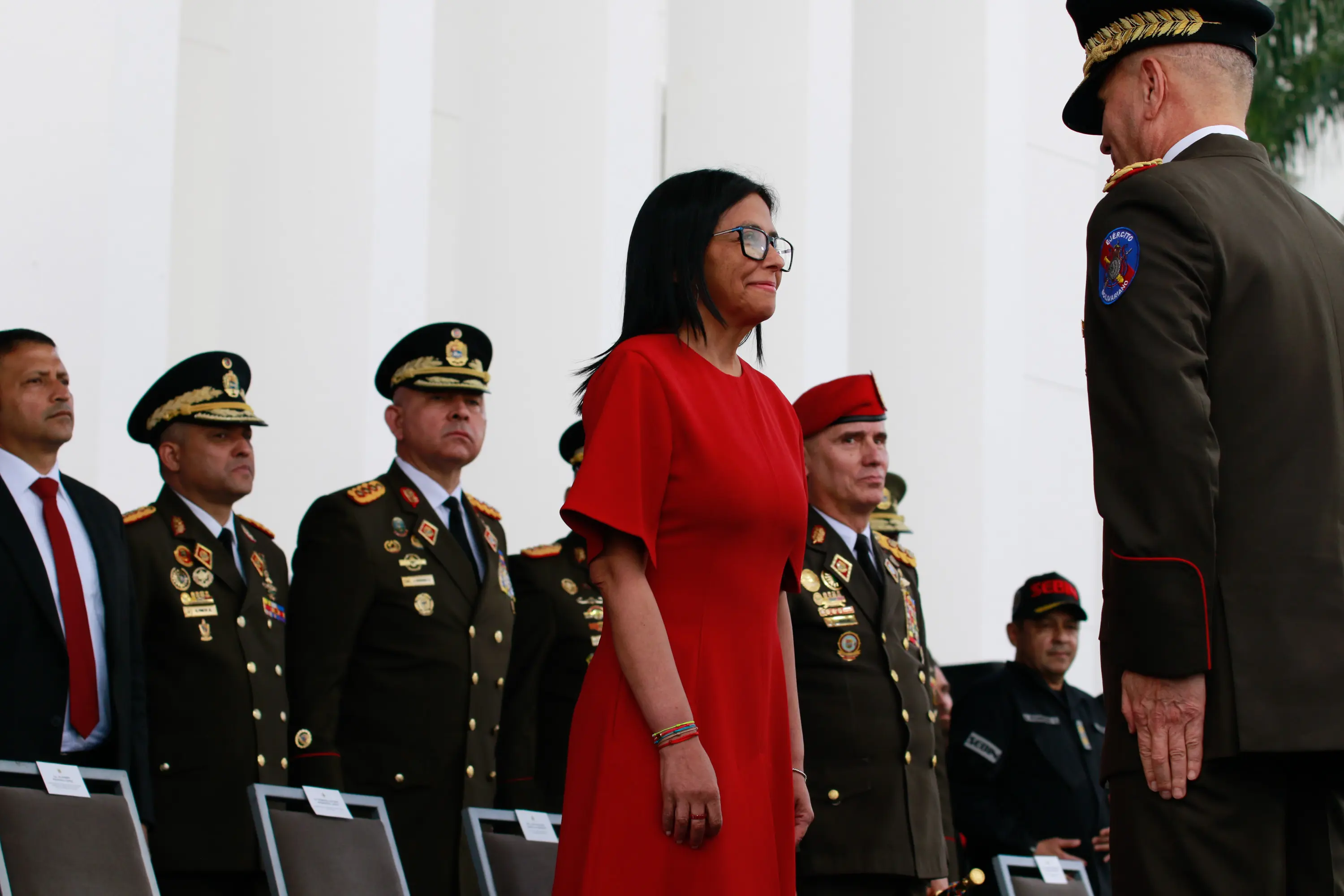
The exercise, which will last 72 hours, will then move into a critical evaluation phase aimed at correcting vulnerabilities and consolidating strengths, explained the Venezuelan Minister of Defense. Photo: FANB
September 19, 2025 Hour: 4:17 pm
🔗 Comparte este artículo
General Vladimir Padrino López, Venezuelan Minister of Defense, presented this Friday the results of the joint exercise Caribe Soberano 200, which the Bolivarian National Armed Forces (FANB) are conducting in the island area of La Orchila and other units in the archipelago, as part of what he described as preparation “for the military threat from the United States against Venezuela, the Caribbean, and Latin America.”
RELATED:
Venezuelan ‘Sovereign Caribbean 200’ Drills Are Successfully Underway: Padrino Lopez
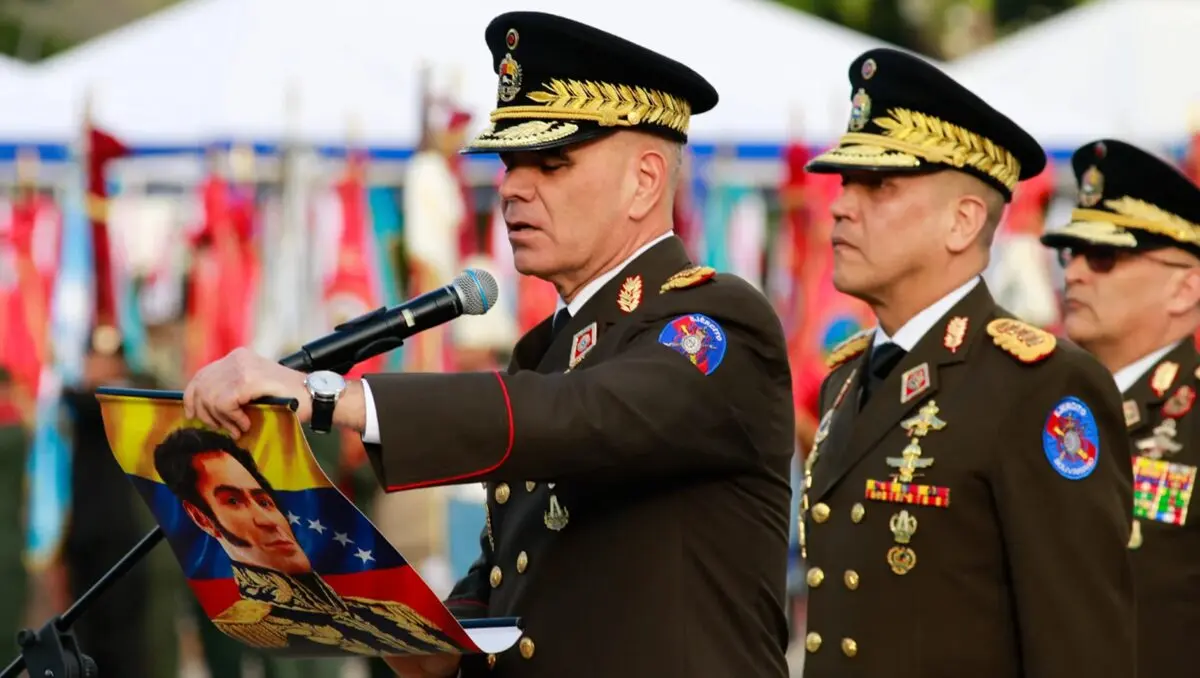
Padrino López affirmed that the activities were carried out “successfully and without incident,” highlighting the seamless integration of the people, the military, and the police as a key element in ensuring the comprehensive defense of the nation. “We have demonstrated capacity, cohesion, and firmness in the face of external threats,” the Minister of Defense stated.
The maneuvers included a wide range of operations: artillery exercises and fire support from floating units, anti-aircraft operations with man-portable systems and defense platforms, and missile launches from missile boats and ocean-going patrol vessels.
Reconnaissance operations were also carried out using drones and intelligence aircraft, as well as cargo drops, paratrooper landings, and amphibious landing operations to capture beachheads.
Admiral Neil Villamizar Sánchez, Commander-in-Chief of the Navy, reported that the naval component met the planned objectives, while Major General Rafael Zavarse Pabón, Commander of the Militia, emphasized that the participation of communities and fishermen demonstrated “the nation’s resilience and cohesion.”
For his part, Vice Admiral Gustavo González López, head of the naval task force, described the results as a “resounding success” that reaffirms the FANB’s operational capacity to guard jurisdictional aquatic spaces.
Major General Santiago Infante Itriago, commander-in-chief of the Bolivarian Military Air Force, detailed that electronic reconnaissance missions, aerial interception exercises supported by the island’s radar network, and precision weapons launches were carried out.
On the political front, General Padrino López recalled the words of President Nicolás Maduro, who called for consolidating the popular-military-police union and announced days of outreach from the barracks to the people, with the goal of having the units go out into the community circuits to explain the doctrine and strengthen civil-military cohesion.
The military commanders emphasized that all maneuvers are carried out “in compliance with the framework of national laws and international maritime law,” insisting that the central objective is the integral defense of the Nation.
The exercise, which will last 72 hours, will then move into a critical evaluation phase aimed at correcting vulnerabilities and consolidating strengths. A day of interaction between local communities and military units is scheduled for Saturday, during which instructors and systems operators will present themselves to explain the purpose and doctrine of the FANB to the people.
In recent weeks, the Bolivarian government, along with other countries in the region, such as Cuba, have denounced the accumulation and increase of US military assets in the Caribbean Sea, as well as interdiction and harassment operations against Venezuelan civilian vessels, actions they described as a flagrant violation of international law.
The State Department and several Republican congressmen, including Marco Rubio, have intensified their rhetoric against the Caracas government, telling the US public that Venezuela represents a “threat to national security.” These statements have coincided with the revelation of psychological operations and media campaigns aimed at justifying a potential scenario of aggression.
Venezuela has consistently denounced that Washington’s true objective is to seize Venezuela’s oil and strategic resources, using the military deployment as an act of provocation intended to force a reaction.
The Venezuelan government has warned that direct aggression would have incalculable consequences for the peace and stability of all of Latin America and the Caribbean, a region declared a Zone of Peace by CELAC in 2014.
Author: HGV
Source: Telesur